
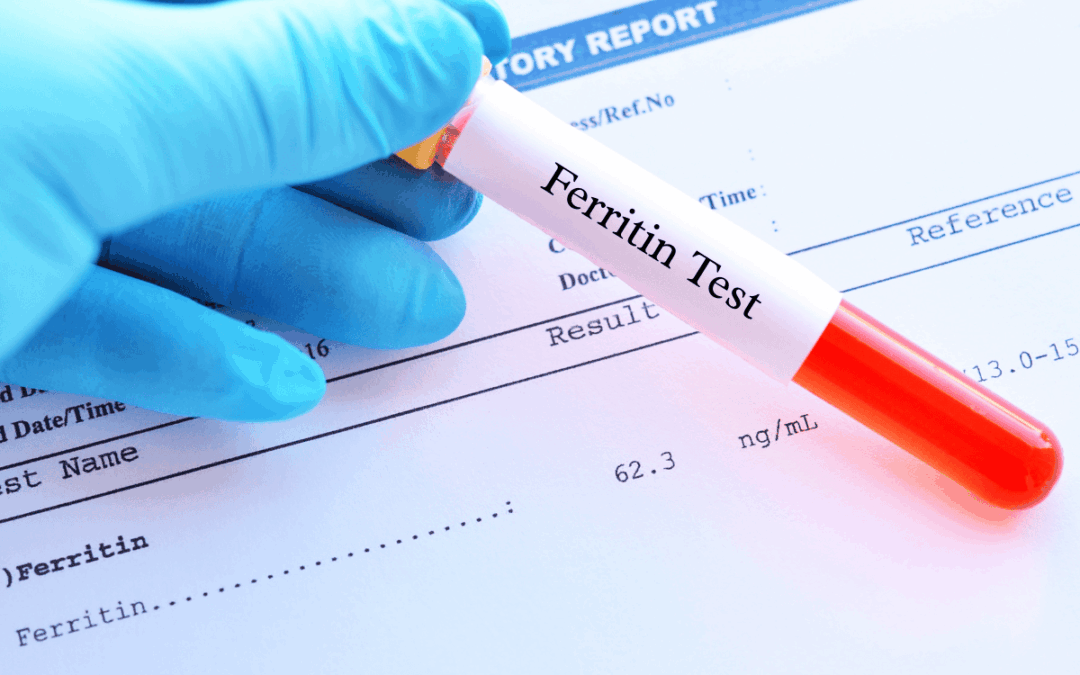
“Your iron levels are normal.”
You have heard it from your GP. You have seen it on your blood results. But you are exhausted by 3pm. Your hair is thinning. You cannot concentrate the way you used to. And despite sleeping well, you never feel truly rested.
If this sounds familiar, one possibility is what some clinicians describe as functional iron deficiency – a state where iron‑related symptoms occur even though standard blood tests may still fall within laboratory reference ranges.
This is not about anaemia alone. It is about recognising that “normal on paper” does not always mean “optimal in the body.” The concept of functional iron deficiency is still evolving in the medical literature, and definitions and thresholds can differ between guidelines and individual clinicians.
The gap between normal and optimal
 Iron exists in your body in two main forms: haemoglobin (the iron in your red blood cells) and ferritin (your stored iron reserves). Standard blood tests typically focus on haemoglobin. If this is within range, the conversation often ends there. But ferritin represents your body’s iron stores – the reservoir your cells draw from for energy production, immune function, neurotransmitter synthesis, and hair growth. Laboratory reference ranges for ferritin in women commonly start somewhere around 10–15 ng/mL on the lower end. Anything above that threshold is often stamped as “normal.”
In clinical practice, many practitioners observe that symptoms such as fatigue, brain fog, low mood, and hair shedding can appear when ferritin is below about 30–40 ng/mL, even if haemoglobin is still “normal.” Some clinicians aim for ferritin above roughly 40–50 ng/mL for general wellbeing, and certain hair and integrative practitioners prefer to see levels closer to 50–70 ng/mL or higher in symptomatic women. These targets are based on emerging evidence and clinical experience rather than strict, universal guidelines, and any decision to aim for a particular ferritin range should be individualised with a healthcare professional.
This grey zone between “not anaemic” and “truly replete” is where many women live for years without realising it.
Why women are disproportionately affected
Iron deficiency is far more common in women of reproductive age than in men.
Depending on the population and definition used, roughly 10–20% (and in some studies more) of premenopausal women have iron deficiency, compared with a much smaller percentage of men in the same age group.
The primary reason is menstruation. Monthly blood loss creates an ongoing drain on iron stores that many women never fully replenish between cycles. Heavy periods amplify this dramatically.

Pregnancy and breastfeeding further increase iron requirements and can deplete reserves, often leaving women with low iron stores for years if they are not monitored and supported.
This is why paying attention to ferritin is particularly important for women, and why “normal” reference ranges that are acceptable from a disease-screening perspective may not reflect what feels optimal for female health.
Why low ferritin affects more than just your blood count

Low ferritin can influence many systems in the body:
- Energy and focus – Iron is a key component in mitochondrial energy production and in haemoglobin, which carries oxygen around the body.
- When iron stores are low, people often experience persistent fatigue, reduced stamina, and difficulty concentrating, even when they sleep well and their haemoglobin is in range.
- Hair growth – Hair follicles are metabolically active and require adequate iron. Observational data and clinical practice suggest that ferritin levels below about 30–40 ng/mL are associated with increased hair shedding and poor regrowth in some women, even with normal haemoglobin. Some hair specialists prefer to see ferritin
at 50–70 ng/mL or above in women with ongoing shedding, though exact optimal ferritin targets for hair are not firmly established and may vary by guideline and lab. - Mood and cognition – Iron is required for the production of neurotransmitters such as dopamine and serotonin, which support healthy mood and cognitive function. Low iron stores have been associated with brain fog, low motivation, irritability, and mood changes, especially in people with iron deficiency or iron‑deficiency anaemia, although these symptoms are non‑specific and can have many other causes.
- Immune function – Iron plays a role in immune cell function. If you seem to pick up every cold going around, iron status is one of several factors worth checking with your healthcare provider.
What to ask your doctor for:
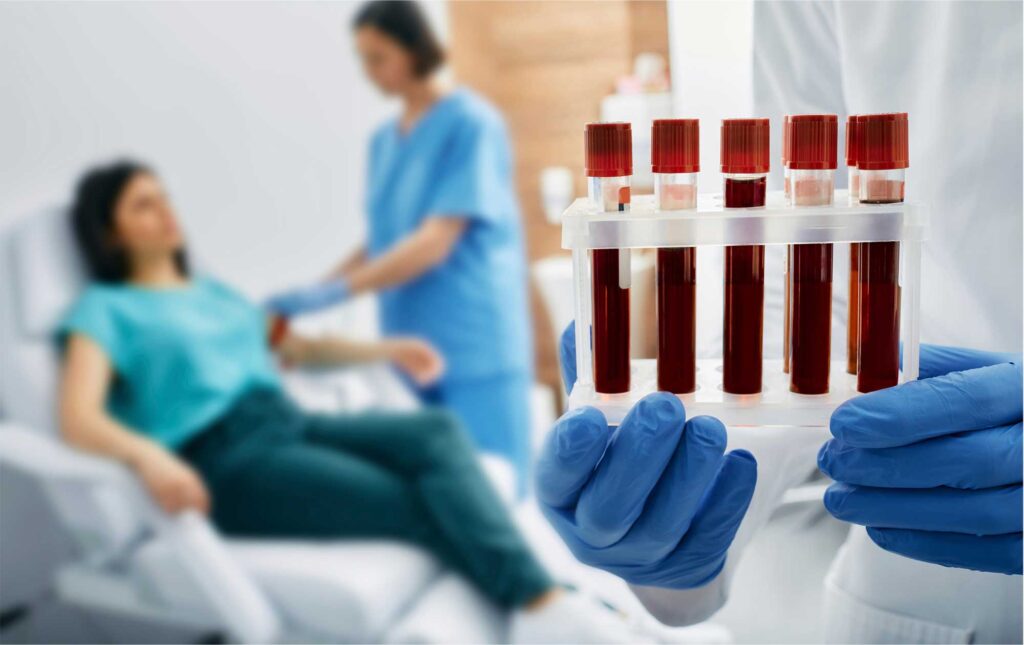
If your symptoms sound like low iron could be a factor, you can start a more detailed conversation with your doctor by asking for:
- A full blood count (FBC/CBC)
- A ferritin level
- Often, an iron panel (serum iron, transferrin or total iron-binding capacity, and transferrin saturation) where appropriate.
Two important tips:
- Ask for the actual numbers, not just “it’s normal.”
- Discuss your symptoms alongside the results so your doctor can interpret your ferritin in context, not in isolation.
Many clinicians may consider supporting iron stores when ferritin is below about 30–40 ng/mL, particularly in people with relevant symptoms.. Some may aim higher (for example above 40–50 ng/mL, and sometimes towards 50–70 ng/mL in women with hair loss), but specific targets vary by practitioner, guideline, and individual health context.
Supporting healthy iron levels
Dietary sources

Food is always the foundation.
- Haem iron
Found in red meat, poultry,
and fish. This form is generally better absorbed by the body. - Non‑haem iron
Found in plant foods such as spinach, beans, lentils, tofu, nuts, and seeds. This form is less efficiently absorbed, but you can boost absorption by pairing it with vitamin C–rich foods (for example citrus fruits, berries, kiwi, capsicum, or a squeeze of lemon over meals). - What to limit around iron‑rich meals
Tea and coffee contain compounds that reduce iron absorption when consumed with food. If possible, have them between meals rather than with your main iron‑containing meals.
A well‑planned omnivorous or plant‑forward diet can support iron intake, but if your requirements are high or your stores are already low, diet alone may not be enough.
Supplementation
When diet is not sufficient, supplementation may be recommended.
- Conventional oral iron
Standard iron tablets (for example ferrous sulfate, ferrous fumarate, ferrous gluconate) are widely used and can effectively raise iron levels, but they commonly cause side effects such as nausea, constipation, abdominal discomfort, or dark stools. These side effects are a major reason people stop taking them. - Sublingual iron
Sublingual iron products are designed to be sprayed or held in the mouth so that some iron can be absorbed through the oral mucosa. This route may reduce gastrointestinal side effects compared with traditional tablets for some people, because less iron reaches the gut all at once. Research on sublingual iron is still emerging, but many patients find these formulations more comfortable to tolerate.

In my practice, I often recommend an iron sublingual spray for patients who need to optimise their stores but are sensitive to standard tablets or have struggled with nausea and constipation in the past.
Whichever form you use, iron repletion is a slow process. Ferritin often takes several weeks to start shifting and typically 3–6 months (and sometimes longer) to rebuild to a comfortable range. Retesting ferritin after around 8–12 weeks of consistent supplementation gives you and your clinician useful feedback on how you are responding and whether your dose or approach needs adjusting.
Nature’s Nurture Sublingual Spray
Final thoughts
“Normal” on a blood test usually means you are not in an overt disease state. But optimal function – feeling clear‑headed, energised, and seeing healthy hair growth – may require more than just scraping above the lower cut‑off of a reference range.
If you are experiencing unexplained fatigue, difficulty concentrating, low mood, frequent infections, or progressive hair thinning, it is reasonable to ask your healthcare provider to check your ferritin, not just your haemoglobin, and to go over the actual numbers with you.
Sometimes, the gap between “not anaemic” and “functionally replete” is exactly where the answers you have been searching for have been hiding.
Important: This information is for educational purposes only and is not intended as medical advice or a substitute for personalised care. Iron testing and supplementation should always be guided and monitored by a qualified healthcare professional, as excessive iron can be harmful.