

Your hair hasn’t fallen out dramatically. Your blood tests may have come back within range. The stressful period is over.
So why does your hair still feel… off?
If you’re noticing gradual thinning, weaker regrowth, or hair that simply isn’t returning to how it used to be months after a stressful period has passed, you’re not imagining it. And the explanation isn’t always found in standard blood work. What we understand more clearly now in trichology is that hair follicles are not passive structures waiting for instructions from the rest of the body. They are biologically active, stress-responsive units with their own local signalling systems, and they can remain in a defensive state long after life appears to have stabilised.
Hair follicles have their own stress response
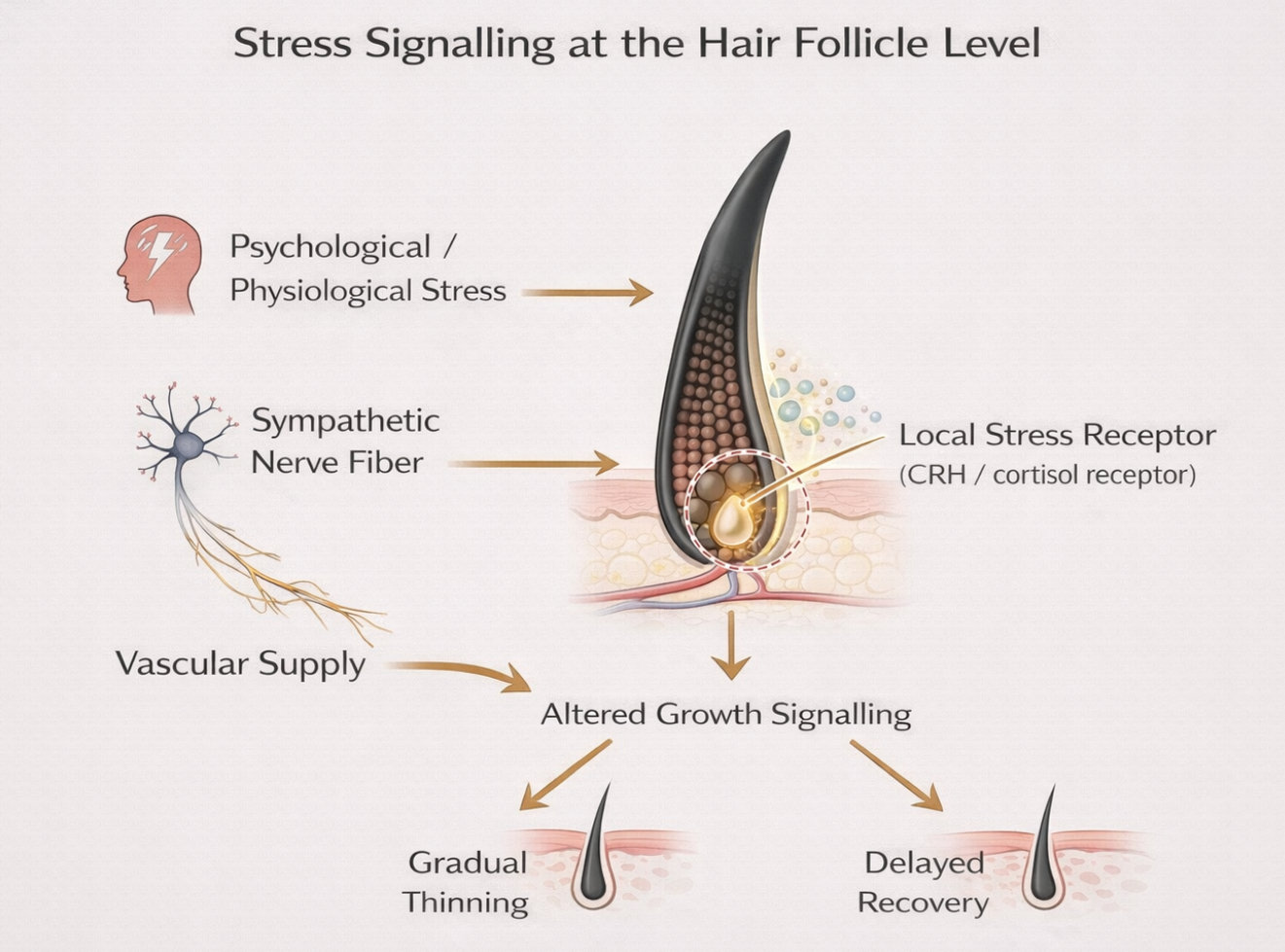
Hair follicles contain receptors for stress hormones and can produce stress mediators locally. They don’t just respond to cortisol in the bloodstream, they generate and respond to stress signals within the scalp itself.
When stress is prolonged or repeatedly activated, this local response can become dysregulated. Follicles shift into conservation mode. Growth becomes less robust, regrowth less predictable, and hair calibre gradually decreases. Importantly, this does not always present as obvious hair loss. Many people don’t notice increased shedding. Instead, density quietly declines, strands feel finer, and recovery seems incomplete. This is why hair can continue to struggle even when sleep improves, appetite returns, and other systems appear to be functioning better.
A pattern commonly seen in practice
A pattern I see regularly is someone who experienced a prolonged period of psychological or physical stress, often combined with illness, burnout, or hormonal strain. The acute phase resolves. Life stabilises. Blood tests look reassuring. Yet months later, the hair never quite returns to baseline.
Patients often describe it as: “My hair didn’t fall out; it just never came back the same.”
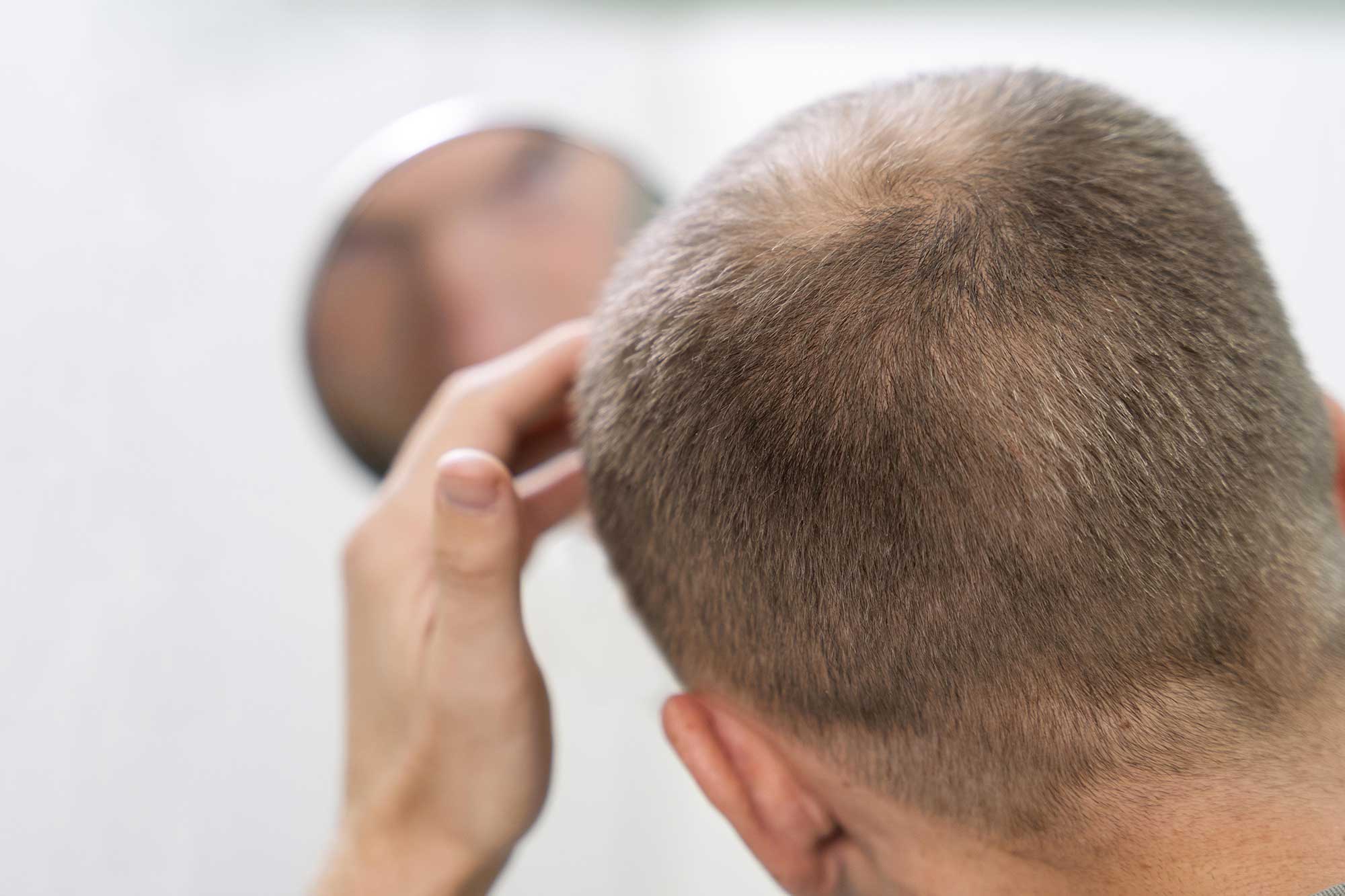
This is not a failure of resilience or effort. It reflects persistent stress signalling at follicle level, even when the external stressor is no longer present.
Why recovery can feel frustratingly slow
From a biological perspective, hair is not a priority tissue. The body protects the brain, heart, immune system, and metabolic stability before it invests in hair growth. When the nervous system has been under sustained load, it may remain in a protective state for longer than expected. Hair follicles respond to that internal environment, waiting for consistent signals of safety before committing resources to growth. This is why hair is often one of the last systems to fully recover after stress.
What hair follicles need to recover
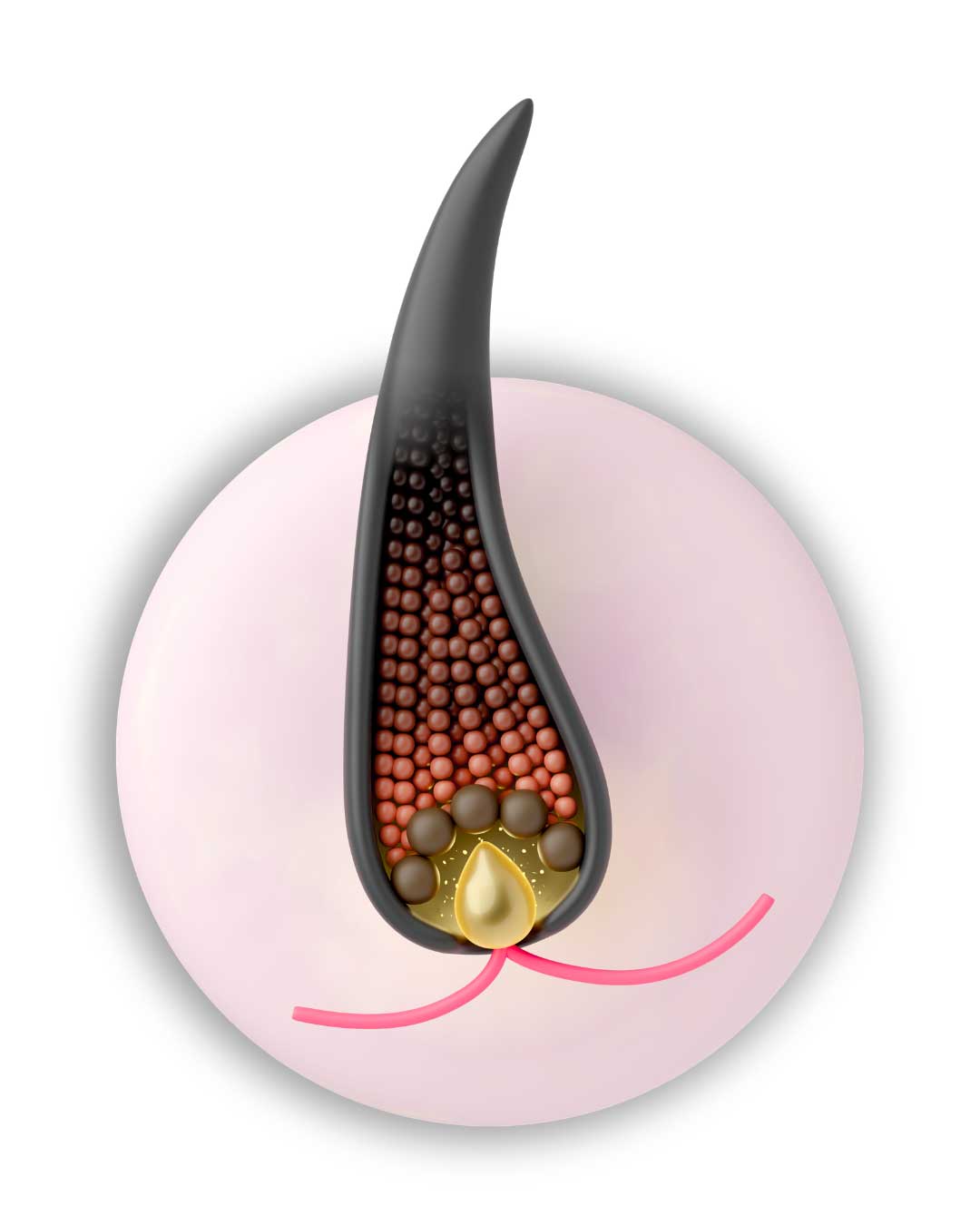
When hair follicles are understood as stress-responsive systems, the approach changes. Support becomes about reducing the signals that keep follicles defensive and providing the conditions they need to resume normal function. In practice, this usually means addressing two key areas:
Nervous system and metabolic support
During stress, B vitamin requirements increase whilst absorption often decreases. These nutrients are essential for cellular energy production and nervous system function, both of which influence follicle activity. When stress has affected appetite or digestion, sublingual delivery supports availability without straining the gut.A comprehensive Vitamin B Complex Sublingual Spray, combined where appropriate with Vitamin B12 + Folate, supports energy metabolism and nervous system recovery.


Vitamin B Complex Sublingual Spray Vitamin B12 + Folate Sublingual Spray
Comprehensive hair follicle nutrition
Hair follicles require a broad range of nutrients working together: amino acids such as L-cysteine for keratin synthesis, minerals like zinc, copper, iron, and magnesium, and vitamins that support cellular turnover and follicle signalling.
Trichotin Hair Regenesis provides structured, daily support through a combination of amino acids, vitamins, minerals, and botanical extracts formulated for follicle function and scalp circulation. Together, this approach supports both the system communicating safety and the follicle receiving the resources it needs to respond.


Chronic stress behaves differently
Acute stress often produces clear, time-linked shedding. Chronic stress behaves differently. It gradually reshapes follicle behaviour, altering growth quality, density, and resilience rather than causing dramatic hair fall. This is why many people say their hair hasn’t “fallen out”, it’s just changed. That distinction signals a shift in follicle behaviour, not simply increased hair loss.
Additional support when appropriate
When hair changes after stress, it is rarely the first system affected. It is simply the most visible.
Iron Sublingual Spray – If iron stores are suboptimal. For hair health, ferritin often needs to be higher than laboratory reference ranges, even when values are technically normal.
GS1 Collagen – Where tissue repair, amino acid availability, and gut support are relevant during recovery phases.


Iron Sublingual Spray GS1(Gut Skin First) Collagen
What to expect
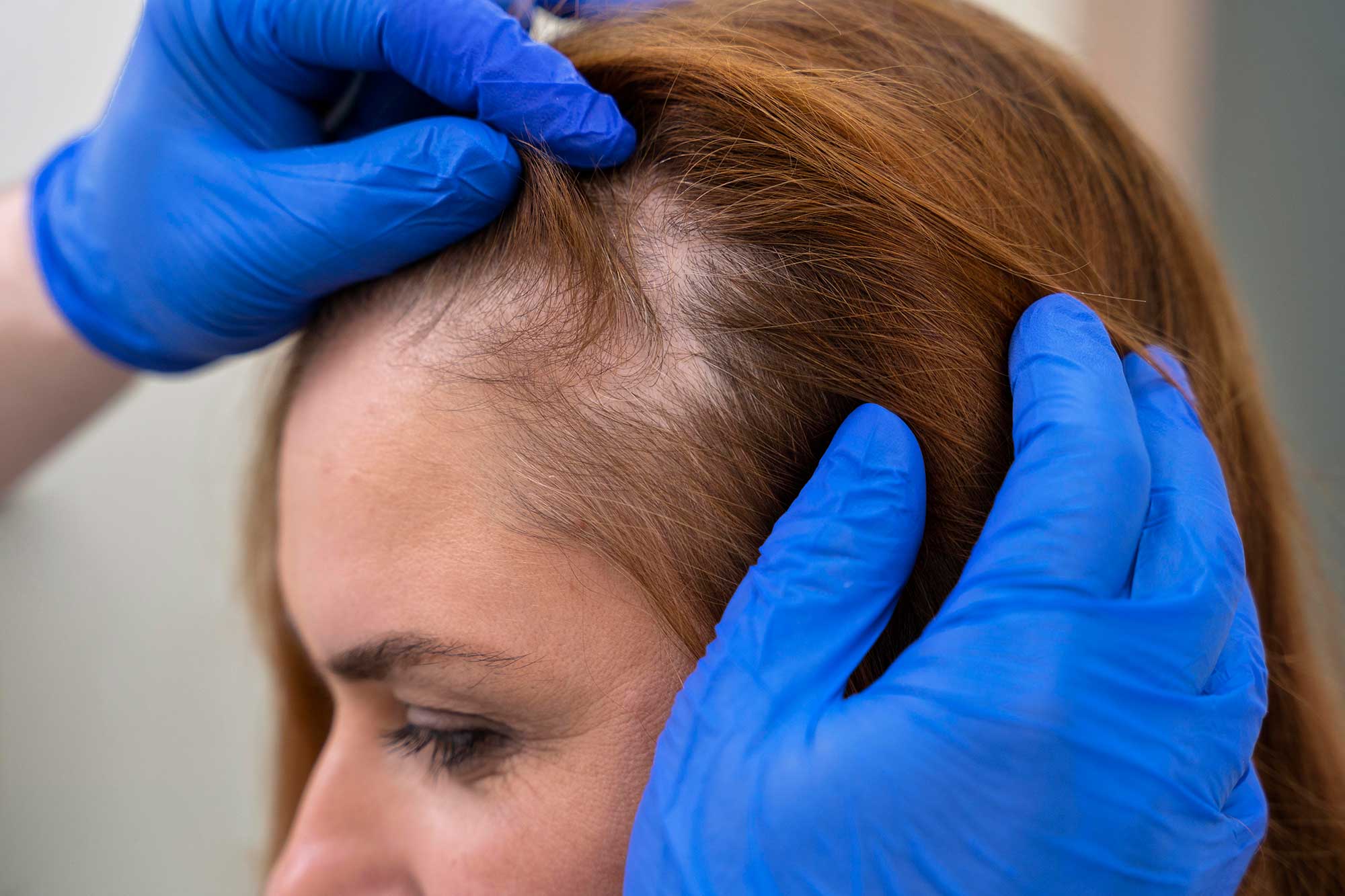
Hair grows slowly. Follicles require consistent signals of stability before committing to regrowth. Visible change reflects months of internal recalibration, not weeks.If hair changes are sudden, patchy, or accompanied by other symptoms, medical evaluation is important to rule out thyroid, autoimmune, or other underlying conditions.The aim is not to force growth but to restore the internal conditions in which growth can resume naturally.
Final thoughts
Hair reflects what the nervous system, endocrine system, and metabolic environment have already been managing. When hair follicles are recognised as active participants in the stress response rather than passive victims, recovery becomes more realistic and sustainable.
Supporting the whole system, not just the hair, is what allows lasting change. This is the approach behind every product selected for this practice.

Important:
This information is educational and not intended as medical advice. Always consult a qualified healthcare professional before starting any new supplement regimen, especially if you have existing medical conditions or take medication.