
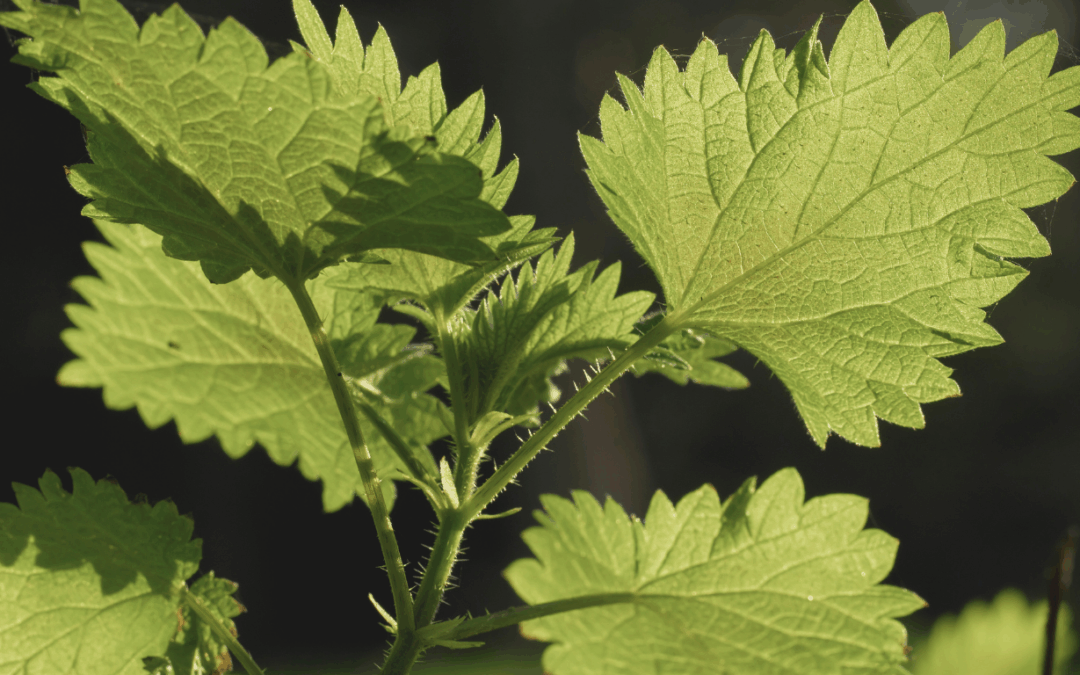
Nettle Root, derived from the stinging nettle plant (Urtica dioica), has been used in traditional medicine for centuries. Today, it’s gaining attention for its potential role in supporting hormonal balance and healthy hair growth. It’s not a magic cure, but when used correctly and consistently, it can contribute meaningfully to an internal environment that supports the hair growth cycle.
What is Nettle Root?
Nettle Root contains bioactive compounds such as lignans (including secoisolariciresinol), beta-sitosterol, polysaccharides, and antioxidants. These compounds may support hormonal pathways, inflammatory responses, and nutrient metabolism, all of which influence the health of the scalp and follicles. While the leaf of the plant is best known for its vitamin and mineral profile, the root also contains trace minerals such as calcium, magnesium, and silica. These contribute to structural support within the body and play an indirect role in hair health.
Nettle Root is often included in modern formulations because of its relationship with
DHT (dihydrotestosterone).
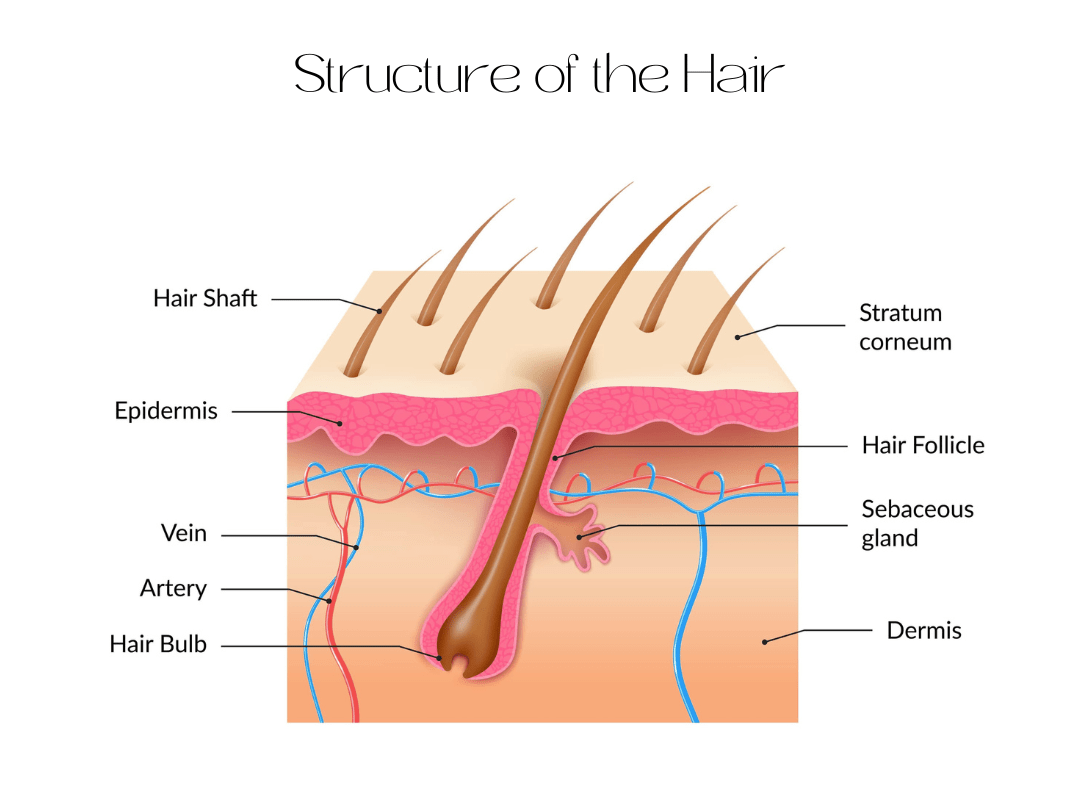
DHT is the hormone most strongly linked to androgenic alopecia, commonly known as
pattern hair loss.

What the research shows:
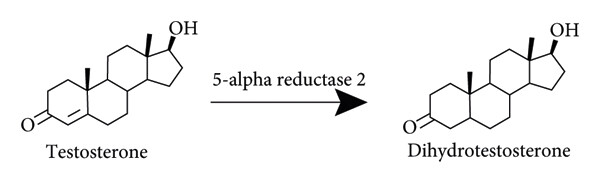
Studies demonstrate that nettle root extract can inhibit 5-alpha-reductase, the enzyme responsible for converting testosterone into DHT. In laboratory research, nettle root showed meaningful inhibitory activity against this enzyme, with petroleum ether extracts being particularly effective. In a comparative study examining 11 herbs, nettle root ranked second in potency for 5-alpha-reductase inhibition.
Animal studies have also been promising. Research on testosterone-induced prostatic hyperplasia in rats found that nettle root extract produced effects comparable to finasteride (a pharmaceutical DHT blocker) in reducing tissue proliferation, suggesting that it may influence similar hormonal pathways, without implying identical clinical effects.
What this means for hair:
Nettle root will not reverse baldness or regrow hair on its own, but it can help support an internal environment that is more favourable for hair maintenance by modulating DHT activity at the follicular level.
Why Internal Balance Matters for Hair

Hair thinning rarely has one cause. Many people experiencing shedding or density changes also face:
- Low iron or ferritin
- Low vitamin D
- High cortisol (stress)
- Thyroid irregularities
- Chronic inflammation
- Nutrient absorption issues
Nettle root works best when it’s part of a broader strategy that includes proper diagnostic testing, nutrition, and targeted supplementation, exactly the approach Dr. Cathy takes with her patients.
The Anti-Inflammatory and Antioxidant Benefits
Beyond DHT modulation, nettle root offers additional mechanisms that support scalp health:
Reducing inflammation: Nettle root extracts have been shown to influence inflammatory signalling pathways, including NF-κB. Chronic scalp inflammation may shorten the hair growth phase (anagen) and weaken follicle structures. By helping calm this inflammatory activity, nettle root contributes to a more balanced scalp environment.
Antioxidant protection: The antioxidant compounds in nettle help neutralise free radicals and combat oxidative stress, protecting hair follicles from cellular damage that can lead to premature thinning.

Where Nettle Root Fits Into Modern Hair Wellness
Nettle Root is commonly combined with complementary ingredients such as:
- Saw palmetto – another botanical with 5-alpha-reductase-modulating properties
- Zinc – supports immune function and protein synthesis
- Biotin and B-vitamins – essential for keratin production
- MSM – provides sulfur for hair structure
- Amino acids – the building blocks of hair protein
- Collagen peptides – support structural integrity
These combinations support hormone regulation, cellular repair, and strong keratin formation, helping follicles function optimally.
Modern formulations use nettle root alongside these synergistic ingredients rather than as a standalone supplement.
Safety, Tolerance and Suitability
While most studies on nettle root and DHT inhibition have been conducted in laboratory models or animals, there is emerging human evidence:
- In one clinical study involving 120 individuals with androgenic alopecia and telogen effluvium, participants using a multi-ingredient formulation containing nettle (topical shampoo and serum) experienced a 90% reduction in hair loss over six months, compared to 40% in the placebo group.
- A randomised, double-blind crossover study with 620 patients using nettle root extract for benign prostatic hyperplasia (BPH) found that 81% reported improvement in their symptoms after 6 months, demonstrating nettle’s hormonal-modulating effects in a large human cohort.
Important context: These studies used nettle as part of multi-ingredient formulations, which underscores an important point: nettle root works best as part of a comprehensive approach, not in isolation.
Timeline expectations:
- Most people require 3–6 months of consistent use to notice changes
- Hair growth cycles are slow; patience is essential
- Improvements often start with reduced shedding, followed by gradual changes in density over time.
What to Expect: Clinical Evidence in Humans
Nettle Root is generally well-tolerated when used appropriately. However, individuals should seek professional guidance if they:
- Have kidney conditions
- Have low blood pressure
- Take prescription medications (especially anticoagulants, blood pressure medications, or diuretics)
- Are pregnant or breastfeeding
- Have known allergies to plants in the Urticaceae family
Possible side effects when taken orally may include mild stomach upset, fluid retention, or allergic reactions in sensitive individuals. Topically, some people may experience scalp irritation. As with any bioactive ingredient, personalised advice from a qualified healthcare provider is important before starting supplementation.
Nettle Root isn’t a “hair growth miracle”, but it is a meaningful supportive ingredient backed by promising research. By helping regulate internal pathways linked to thinning and hormonal imbalance, including DHT modulation, inflammation, and oxidative stress, it contributes to a healthier foundation for long-term hair wellness. The key is using it correctly: as part of a well-formulated supplement with complementary ingredients, combined with proper diagnostic testing and a holistic approach to scalp and overall health. If you’re looking for a clinically guided formulation that includes nettle root, the Trichotin DHT Inhibitor combines nettle root with pumpkin seed, saw palmetto, and zinc to support the hormonal pathways involved in DHT-related hair thinning.
References
- Jahromi HK, et al. The histological and histometrical effects of Urtica dioica extract on rat’s prostate hyperplasia. Iran J Basic Med Sci. 2015;18(3):283-90.
- Nahata A, Dixit VK. Ameliorative effects of Stinging Nettle (Urtica dioica) on testosterone-induced prostatic hyperplasia in rats. Andrologia. 2012;44(Suppl 1):396-409.
- Pekmezci E, et al. A proprietary herbal extract against hair loss in androgenetic alopecia and telogen effluvium: A placebo-controlled, single-blind, clinical-instrumental study. Acta Dermatovenerol Alp Pannonica Adriat. 2018;27:51-57.
- Safarinejad MR. Urtica dioica for treatment of benign prostatic hyperplasia: a prospective, randomized, double-blind, placebo-controlled, crossover study. J Herb Pharmacother. 2005;5(4):1-11.
Disclaimer: This content is for educational purposes only and is not intended to diagnose, treat, cure, or prevent any disease. Always consult with a qualified healthcare provider before starting any new supplement regimen.